UAE Corporate Tax Filing Checklist 2026: Complete Guide for Businesses

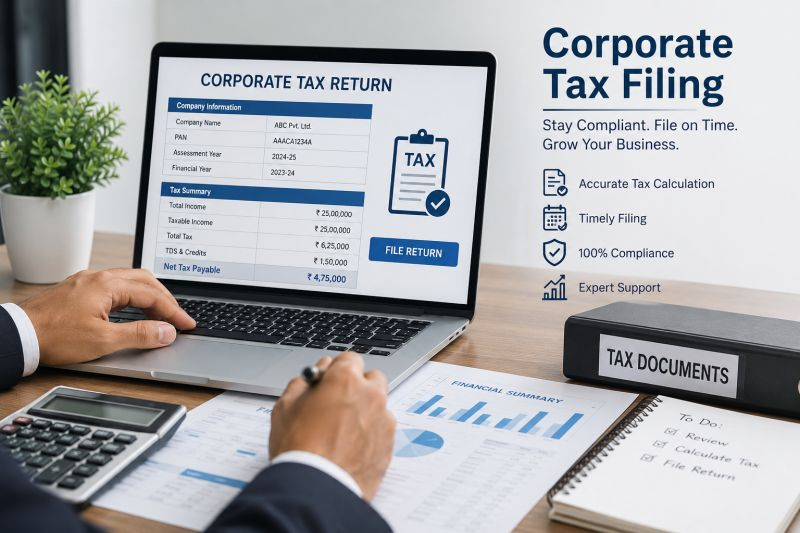
The introduction of Corporate Tax has fundamentally changed the compliance landscape for businesses operating in the United Arab Emirates. While many organizations have already registered and begun adapting to the new framework, filing obligations remain one of the most critical compliance responsibilities.

For business owners, finance teams, and accounting professionals, understanding the UAE Corporate Tax Filing Checklist is essential. Filing errors, missing documentation, inaccurate calculations, or late submissions can result in penalties, increased scrutiny, and unnecessary compliance risks.
A well-prepared UAE Corporate Tax Filing Checklist helps businesses organize financial records, verify tax calculations, meet filing deadlines, and maintain compliance with regulatory requirements.
This guide explains everything businesses need to know about corporate tax filing in 2026, including required documents, filing procedures, common mistakes, and practical preparation strategies.
Understanding Corporate Tax Filing in the UAE
Corporate Tax is a direct tax imposed on the taxable income of businesses operating in the UAE. Companies falling within the scope of the Corporate Tax regime must comply with registration, reporting, record-keeping, and filing obligations.
The UAE Corporate Tax Filing Checklist serves as a structured framework to help organizations complete these obligations accurately and efficiently.
Many businesses focus primarily on tax calculations. However, successful compliance requires much more than determining taxable income. Companies must maintain supporting documentation, reconcile financial records, monitor deadlines, and prepare for potential reviews by tax authorities.
Why a Corporate Tax Filing Checklist Matters
A structured filing process provides several benefits.
Reduces Compliance Risk
Using a UAE Corporate Tax Filing Checklist helps identify missing information before returns are submitted.
Improves Accuracy
A checklist ensures calculations, supporting schedules, and disclosures are reviewed systematically.
Saves Time
Organized preparation reduces last-minute filing pressure and operational disruptions.
Enhances Audit Readiness
Proper documentation strengthens a company’s ability to respond to future compliance reviews.
Supports Business Governance
Well-documented tax processes demonstrate strong financial management and internal controls.
Step 1: Confirm Corporate Tax Registration
The first step in any UAE Corporate Tax Filing Checklist is verifying registration status.
Businesses should confirm:
- Corporate Tax registration completion
- Tax Registration Number (TRN)
- Registration details accuracy
- Contact information updates
Failure to register when required may result in administrative penalties and compliance concerns.
Step 2: Determine the Relevant Tax Period
Businesses must identify the tax period for which they are filing.
This includes:
- Financial year start date
- Financial year end date
- Reporting period confirmation
- Filing deadline calculation
Understanding the correct reporting period is essential for preparing accurate tax returns.
Step 3: Prepare Financial Statements
Financial statements form the foundation of corporate tax calculations.
Organizations should ensure:
- Profit and loss statements are complete
- Balance sheets are accurate
- Cash flow records are available
- Supporting schedules are maintained
Any inconsistencies between accounting records and tax calculations should be addressed before filing.
Step 4: Calculate Taxable Income
One of the most important stages of the UAE Corporate Tax Filing Checklist is determining taxable income.
This process may include:

Accounting Profit Review
Businesses should begin with accounting profit reported in financial statements.
Tax Adjustments
Certain adjustments may be required to align accounting profit with taxable income.
Exempt Income Identification
Businesses should identify income that qualifies for exemptions under applicable regulations.
Deductible Expenses
Review expenses carefully to determine eligibility for deduction.
Accurate calculations reduce the risk of future disputes and compliance issues.
Step 5: Review Related Party Transactions
Related party transactions require special attention.
Businesses should evaluate:
- Intercompany transactions
- Shared service arrangements
- Loans between related entities
- Transfer pricing considerations
Documentation supporting these transactions should be maintained and reviewed.
Step 6: Verify Supporting Documentation
A complete UAE Corporate Tax Filing Checklist includes documentation verification.
Businesses should maintain:
- Financial statements
- General ledger records
- Sales invoices
- Purchase invoices
- Contracts
- Payroll documentation
- Bank statements
- Tax calculations
- Supporting schedules
Comprehensive documentation improves compliance confidence and audit readiness.
Step 7: Reconcile Tax Data
Reconciliation is one of the most effective ways to identify errors before filing.
Businesses should reconcile:
Revenue
Compare reported revenue with accounting records.
Expenses
Verify deductible expenses and supporting documentation.
VAT Records
Ensure consistency between VAT and corporate tax reporting where applicable.
Financial Statements
Confirm tax calculations align with finalized financial statements.
Step 8: Review Tax Losses and Adjustments
Some businesses may have tax losses or carry-forward amounts that affect tax calculations.
Review:
- Prior-year losses
- Available reliefs
- Eligible deductions
- Adjustment schedules
Proper treatment of these items can significantly impact final tax liability.
Step 9: Conduct an Internal Compliance Review
Before submission, businesses should perform a comprehensive review.
Questions to consider include:
- Are all calculations supported?
- Are disclosures complete?
- Have filing requirements been met?
- Are supporting documents available?
An internal review helps identify issues before submission.
Step 10: Submit the Corporate Tax Return
Once all information has been reviewed, the return can be submitted through the applicable filing platform.
Before submission:
- Confirm figures are accurate
- Verify registration details
- Review disclosures
- Save supporting documentation
Maintaining submission records is equally important.
Common Corporate Tax Filing Mistakes
Many businesses encounter compliance issues due to avoidable errors.

Incomplete Documentation
Missing records can create significant challenges during compliance reviews.
Incorrect Tax Adjustments
Misunderstanding adjustment requirements often leads to inaccurate calculations.
Filing Delays
Late submissions may result in penalties and administrative complications.
Failure to Reconcile Records
Discrepancies between accounting and tax data can trigger questions from authorities.
Ignoring Related Party Requirements
Related party transactions require careful review and documentation.
Record Retention Requirements
Tax compliance extends beyond filing.
Businesses should retain relevant documentation for required periods.
Key records include:
- Tax returns
- Financial statements
- Invoices
- Contracts
- Payroll records
- Banking records
- Supporting schedules
Strong record retention practices improve long-term compliance management.
How Technology Can Simplify Corporate Tax Filing
Technology plays an increasingly important role in compliance.
Businesses can benefit from:
Accounting Software
Modern accounting systems improve reporting accuracy.
ERP Platforms
Integrated systems help centralize financial data.
Document Management Tools
Digital storage improves accessibility and organization.
Compliance Automation
Automation reduces manual work and filing risks.
Organizations investing in technology often achieve more efficient compliance processes.
Corporate Tax Filing Best Practices
To strengthen compliance efforts, businesses should:
- Maintain accurate records throughout the year
- Perform monthly reconciliations
- Monitor filing deadlines
- Conduct internal compliance reviews
- Engage qualified advisors when needed
- Document significant tax decisions
- Keep supporting evidence organized
These practices support both compliance and operational efficiency.
UAE Corporate Tax Filing Checklist
Before filing, confirm the following:
Registration
✔ Corporate Tax registration completed
Financial Records
✔ Financial statements finalized
Calculations
✔ Taxable income calculated accurately
Documentation
✔ Supporting records organized
Reconciliations
✔ Revenue and expenses reconciled
Related Party Transactions
✔ Documentation reviewed
Compliance Review
✔ Internal checks completed
Filing
✔ Return prepared and submitted
Record Retention
✔ Documents securely maintained
Frequently Asked Questions
Who must file Corporate Tax returns in the UAE?
Businesses falling within the scope of UAE Corporate Tax regulations are generally required to comply with filing obligations.
What documents are needed for filing?
Financial statements, tax calculations, invoices, contracts, and supporting schedules are among the key documents typically required.
Why is a UAE Corporate Tax Filing Checklist important?
A checklist helps businesses reduce errors, improve compliance, and maintain audit readiness.
Can filing mistakes result in penalties?
Yes. Inaccurate filings, late submissions, and compliance failures may result in penalties and additional scrutiny.
Should businesses conduct internal reviews before filing?
Absolutely. Internal reviews help identify errors and strengthen filing accuracy.
Conclusion
Corporate Tax compliance has become a fundamental business responsibility in the UAE. A structured UAE Corporate Tax Filing Checklist helps organizations manage filing requirements effectively while reducing risks associated with errors, omissions, and late submissions.
By maintaining accurate records, conducting reconciliations, reviewing documentation, and implementing strong compliance controls, businesses can navigate filing obligations with greater confidence.
As the UAE tax environment continues to evolve, proactive preparation remains the most effective strategy for long-term compliance success.
Need Assistance with Corporate Tax Filing?
Our specialists help businesses prepare tax returns, review calculations, organize documentation, and strengthen compliance processes. Contact us today for expert support with your UAE Corporate Tax Filing Checklist and filing requirements.