UAE E-Invoicing 2026: Complete Guide to Timeline, Requirements, and Business Preparation
The UAE is entering a new phase of digital tax compliance with the introduction of UAE E-Invoicing 2026. Businesses operating across the Emirates are expected to prepare for one of the most significant tax administration changes since the introduction of VAT. The Ministry of Finance has officially released the UAE Electronic Invoicing Guidelines Version 1.0, outlining the framework, scope, and phased implementation of the national electronic invoicing system.
For many businesses, UAE E-Invoicing 2026 is more than a compliance update. It represents a complete shift in how invoices are generated, exchanged, validated, and reported. Companies that delay preparation may face operational challenges, technology upgrades, compliance risks, and potential penalties once mandatory implementation begins.
This guide explains everything businesses need to know about UAE E-Invoicing 2026, including the implementation timeline, requirements, benefits, challenges, and practical preparation steps.
What Is UAE E-Invoicing 2026?
UAE E-Invoicing 2026 refers to the country’s new electronic invoicing framework designed to digitize invoice creation, exchange, and validation. Unlike traditional PDF invoices or scanned documents, the new system requires invoices to be issued in a structured electronic format that can be automatically processed by systems.
The initiative is part of the UAE’s broader digital transformation strategy and aims to improve tax transparency, compliance monitoring, and operational efficiency across the business ecosystem. The framework follows international best practices and aligns with modern tax administration systems adopted in several jurisdictions worldwide.
Under UAE E-Invoicing 2026, businesses will no longer rely solely on conventional invoice formats. Instead, invoices must meet technical standards established by the Ministry of Finance and be exchanged through approved channels.
Why Is the UAE Introducing E-Invoicing?
The introduction of UAE E-Invoicing 2026 is driven by several strategic objectives.
First, the government aims to strengthen tax compliance by improving invoice visibility and reducing reporting inaccuracies. Electronic invoicing enables authorities to monitor transactions more efficiently while reducing opportunities for tax evasion.
Second, the system supports the UAE’s digital economy vision. Businesses can benefit from faster invoice processing, reduced manual errors, and improved financial record management.
Third, UAE electronic invoicing is expected to simplify tax administration and enhance transparency across supply chains. By standardizing invoice formats and exchange mechanisms, businesses can streamline operations and improve data accuracy.
Key Objectives of UAE E-Invoicing 2026
The UAE electronic invoicing framework has several major objectives:

Improve Tax Compliance
Authorities aim to create a more transparent reporting environment through digital invoice validation and reporting mechanisms.
Reduce Manual Processes
Traditional invoicing often involves manual data entry, document storage, and reconciliation. UAE E-Invoicing 2026 seeks to automate these functions.
Increase Operational Efficiency
Businesses can benefit from faster invoice approvals, improved processing speed, and reduced administrative workloads.
Support Economic Digitalization
The initiative aligns with the UAE’s broader efforts to establish itself as a leading digital economy and innovation hub.
UAE E-Invoicing 2026 Timeline
One of the most important aspects of UAE E-Invoicing 2026 is understanding the implementation timeline.
According to the Ministry of Finance guidelines, the rollout will occur in phases. The pilot phase is scheduled to begin on October 1st, 2026, allowing selected businesses to participate in the new electronic invoicing environment before broader mandatory implementation.
The phased approach gives businesses time to evaluate their systems, assess readiness, and implement required changes before mandatory compliance deadlines.
As additional implementation phases are announced, businesses should closely monitor updates from the Ministry of Finance and Federal Tax Authority.
Who Will Be Affected?
Many businesses assume UAE E-Invoicing 2026 applies only to large corporations. However, the scope is expected to be much broader.
The Ministry of Finance guidelines indicate that the framework covers various categories of businesses operating in the UAE, including:
- Mainland companies
- Free Zone entities
- VAT-registered businesses
- Certain non-resident entities conducting business transactions within the UAE
The precise scope will continue to evolve through future guidance and implementation phases. Businesses should review their status carefully and assess whether they fall within upcoming compliance requirements.
Core Requirements Under UAE E-Invoicing 2026
Understanding the technical and compliance requirements is essential for preparation.
Structured Electronic Format
Invoices must be generated in structured digital formats capable of automated processing. Static PDF documents alone will not satisfy e-invoicing requirements.
Mandatory Data Fields
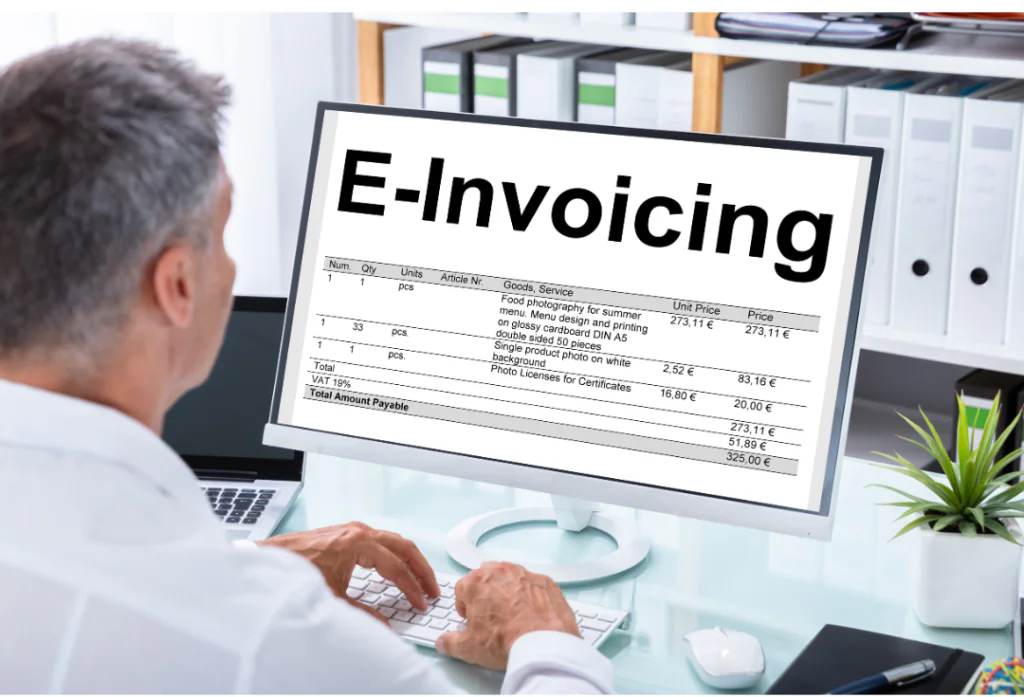
Electronic invoices must contain specific information required under the framework. These include supplier details, customer information, invoice numbers, transaction values, VAT amounts, and other mandatory elements.
Accredited Service Providers
Businesses will generally need to work through accredited service providers to facilitate invoice exchange and compliance processes.
Electronic Reporting
The framework incorporates reporting mechanisms that allow invoice information to be validated and transmitted through approved channels.
Benefits of UAE E-Invoicing 2026
While compliance is a primary driver, UAE E-Invoicing 2026 also offers several operational advantages.
Faster Processing
Automated invoice exchange reduces delays associated with manual handling and approvals.
Improved Accuracy
Structured data minimizes human errors and improves consistency across financial records.
Better Compliance Management
Businesses gain greater visibility into invoice workflows and reporting obligations.
Enhanced Record Keeping
Digital records simplify document storage, retrieval, and audit preparation.
Reduced Administrative Costs
Automation can significantly lower operational costs associated with invoicing and reconciliation activities.
Common Challenges Businesses May Face
Despite the benefits, implementation may present several challenges.
Legacy Systems
Older accounting and ERP platforms may not support electronic invoicing requirements without significant upgrades.
Data Quality Issues
Businesses often maintain inconsistent customer records, supplier information, and tax data. These issues can create implementation difficulties.
Process Redesign
Invoice approval workflows may require restructuring to accommodate new compliance requirements.
Training Requirements
Finance teams, accounting departments, and operational staff will need education on the new framework.
How Businesses Can Prepare Today
Businesses should begin preparing long before mandatory implementation deadlines.
Conduct a Readiness Assessment
Review existing invoicing processes, software systems, and compliance procedures.
Evaluate ERP Compatibility
Determine whether current ERP and accounting platforms support structured invoice generation.
Clean Master Data
Verify customer records, supplier information, VAT registration details, and invoice templates.
Monitor Regulatory Updates
Stay informed regarding future Ministry of Finance announcements and implementation schedules.
Engage Professional Advisors
Tax advisors and compliance specialists can help identify potential gaps and develop implementation strategies.
Technology and ERP Considerations
Technology readiness will be one of the most important factors influencing compliance success.
Businesses should evaluate:
- ERP compatibility
- Integration capabilities
- Data quality controls
- Invoice workflow automation
- Security requirements
- Reporting capabilities
Organizations relying on spreadsheets or manual invoice generation methods may face greater transition challenges compared to businesses already using modern accounting platforms.
Risks of Delaying Preparation
Many businesses underestimate the effort required to implement new compliance frameworks.
Delaying preparation could result in:
- Costly software upgrades under tight deadlines
- Operational disruptions
- Increased compliance risks
- Staff training challenges
- Potential penalties for non-compliance

Organizations that begin planning early will likely experience smoother implementation and reduced operational pressure.
Frequently Asked Questions
Is UAE E-Invoicing 2026 mandatory?
The framework is being introduced through a phased implementation process. Businesses should monitor official announcements regarding mandatory compliance dates.
Are PDF invoices compliant?
No. Structured electronic formats capable of automated processing are required under the framework. PDFs alone do not satisfy e-invoicing requirements.
Will small businesses be affected?
The scope of implementation is expected to expand through future phases. Businesses should assess their obligations based on official guidance.
Do Free Zone companies need to comply?
The guidelines indicate that Free Zone entities may fall within scope depending on their activities and transactions.
What should businesses do now?
Businesses should conduct readiness assessments, evaluate technology systems, and begin planning for implementation.
Conclusion
UAE E-Invoicing 2026 represents a major transformation in tax compliance and business operations. The shift toward structured digital invoicing will affect how organizations create, exchange, store, and report invoices across the UAE. Businesses that prepare early can reduce compliance risks, improve operational efficiency, and avoid costly implementation challenges.
With the pilot phase beginning in July 2026 and broader implementation expected to follow, now is the ideal time for businesses to assess their readiness and begin preparing for the future of digital tax compliance in the UAE.
Need Help Preparing for UAE E-Invoicing 2026?
Our team helps businesses assess compliance readiness, review accounting systems, identify implementation gaps, and prepare for upcoming UAE e-invoicing requirements. Contact us today to ensure your business is ready for the next phase of digital tax compliance.